Okay, let’s be honest, who *hasn’t* accidentally turned a beautiful piece of fish into shoe leather? I know I have! More times than I care to admit. It’s like, one minute it looks perfect, the next…BAM! Dry and sad. That’s why I’m SO excited to share this *Ultimate Guide to Cooking Seafood Without Overcooking It*! Seriously, this isn’t just another recipe; it’s a game-changer.
I’ve spent years experimenting (and, yes, sometimes failing spectacularly) to figure out the secrets to perfectly cooked seafood. And trust me, it’s totally achievable, even if you’re a beginner. This guide is packed with all my hard-earned knowledge, from choosing the freshest fish to nailing the perfect cooking time. I swear, once you get the hang of these techniques, you’ll be serving up restaurant-quality seafood every single time. Believe me, I am speaking from experience! Get ready to impress yourself (and maybe your friends and family, too!).
Why You’ll Love This Ultimate Guide to Cooking Seafood Without Overcooking It
Seriously, you’re gonna *adore* this guide! Why? Because it takes all the guesswork out of cooking seafood. No more dry, rubbery disappointments! Think perfectly flaky fish, succulent shrimp, and all in, like, *minutes*. My favorite part? It’s so easy, even on a busy weeknight. But that’s not all…
Benefits of Mastering Seafood Cooking
- Hello, amazing flavor! Perfectly cooked seafood is bursting with natural deliciousness.
- It’s so good for you! Seafood is packed with healthy stuff like omega-3s.
- Impress your friends (and yourself!). Perfectly cooked seafood looks gorgeous on a plate.
- Quick and easy dinners are now a reality! Seriously, some of these recipes are faster than ordering takeout.
Essential Equipment for Cooking Seafood Without Overcooking It
Okay, before we even *think* about turning on the stove, let’s talk tools. You don’t need a ton of fancy gadgets, but a few key things are essential for perfectly cooked seafood. Trust me on this! You’ll want a good quality pan (I love my non-stick!), paper towels (more on that later), and, most importantly, a reliable thermometer. Seriously, that thermometer is your best friend in this whole process. It’s all about precision, people!
The Importance of a Reliable Thermometer
Seriously, get yourself a good thermometer! It’s the *only* way to know for sure when your seafood is cooked perfectly. Forget guessing! That little gadget will tell you exactly when it hits that magic 145°F (63°C). No more dry, overcooked seafood, promise!
Ingredients You’ll Need for the Ultimate Guide to Cooking Seafood Without Overcooking It
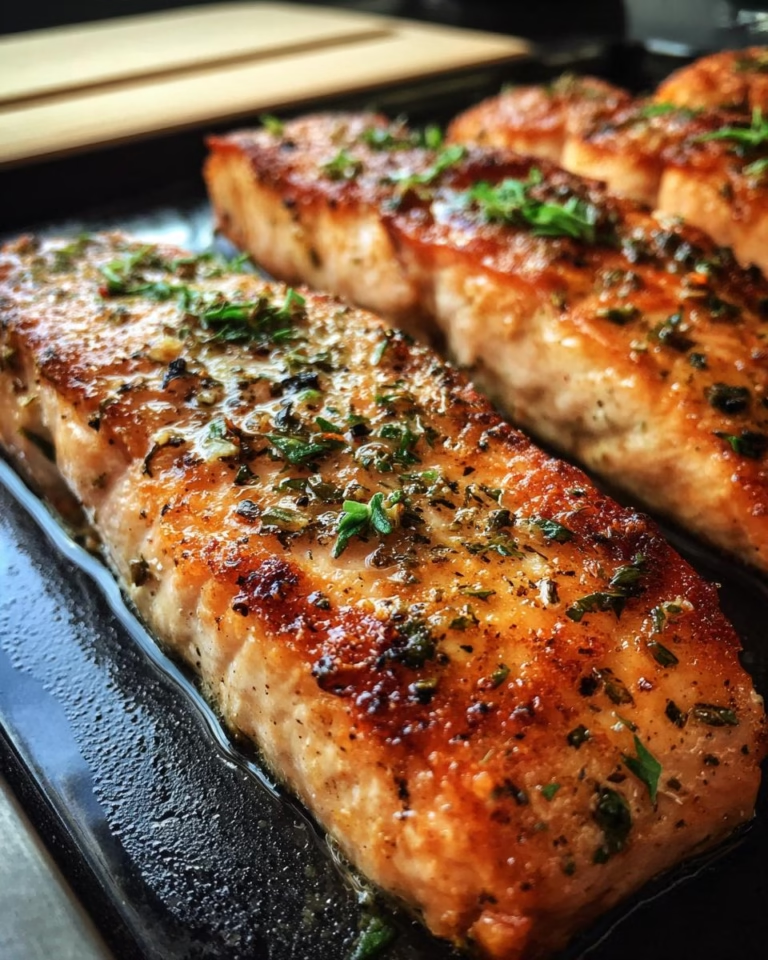
Alright, let’s gather our goodies! The beauty of this guide is how simple the ingredient list is. We’re talking fresh, flavorful stuff that really lets the seafood shine. So, first and foremost, you’ll need fresh seafood of your choice – whatever you’re craving! I usually go for salmon or cod, but shrimp works great too.
Next up: 2 tablespoons of good quality olive oil – it helps get that nice sear. Don’t forget 1 tablespoon of lemon juice for a little zing! Plus, you’ll need ½ teaspoon of salt and ¼ teaspoon of pepper to season it up just right. And, totally optional, but highly recommended: chopped herbs and spices. I love dill or parsley with fish, but go wild and add whatever you like! That’s it!
Step-by-Step Instructions: Your Ultimate Guide to Cooking Seafood Without Overcooking It
Okay, ready to cook some amazing seafood? Don’t worry, I’ll walk you through every step! Just follow along, and you’ll be a pro in no time. Remember, the key is to take your time and not rush things. Let’s do it!
Preparing Your Seafood
First things first, grab those paper towels and pat your seafood *completely* dry. Seriously, this is super important! Drying it helps get a nice sear. Then, sprinkle with your salt, pepper, and any other spices you’re using. Easy peasy!
Cooking Your Seafood to Perfection
Now, heat up your olive oil in that pan over medium heat. You want it nice and hot, but not smoking! Gently place your seasoned seafood in the pan. Don’t overcrowd it! If you do, the temperature will drop, and you’ll end up steaming instead of searing. Cook until it reaches an internal temperature of 145°F (63°C). Remember that thermometer? This is where it shines! Cooking time will depend on the thickness of your seafood, so keep a close eye on it. Usually, it’s just a few minutes per side.
Serving Your Perfectly Cooked Seafood
Alright, you did it! Now, get that seafood onto a plate ASAP. Squeeze some fresh lemon juice over the top, sprinkle with those optional herbs, and serve it up while it’s still hot! Trust me, serving it hot makes all the difference. Enjoy!
Ingredient Notes and Substitutions for the Ultimate Guide to Cooking Seafood Without Overcooking It
Okay, so maybe you’re not a salmon fan, or you’re out of dill. No sweat! The great thing about this guide is that it’s super flexible. You can totally swap out ingredients based on what you like or what you have on hand. For example, if you’re not feeling salmon, try cod, tilapia, or even shrimp! Just remember, different types of seafood cook at slightly different rates, so keep an eye on that thermometer and adjust your cooking time accordingly. And if you’re out of dill? Parsley, cilantro, or even a little thyme can work wonders. Don’t be afraid to experiment!
Tips for Success: The Ultimate Guide to Cooking Seafood Without Overcooking It
Want to become a *true* seafood master? Then listen up! Here are my top tips for nailing it every time. First, don’t overcrowd the pan! Seriously, it’s one of the biggest mistakes people make. Give your seafood some breathing room so it can sear properly. Also, resist the urge to crank up the heat. Medium heat is your friend! High heat will just burn the outside before the inside is cooked. Trust me, patience is key!
Checking for Doneness
Okay, so you don’t have a thermometer? No problem! There are other ways to tell if your seafood is done. The easiest way is to gently flake it with a fork. If it flakes easily and looks opaque all the way through, it’s ready! Just be careful not to overcook it, even at this stage. Oops, almost forgot! Another signal that it’s ready is that it will transition from translucent to opaque.
Frequently Asked Questions About the Ultimate Guide to Cooking Seafood Without Overcooking It
Still got questions? Don’t worry, I’ve got answers! Here are some of the most common questions I get about cooking seafood, especially when it comes to avoiding that dreaded overcooked result. Let’s dive in!
How do I know when my seafood is done?
Okay, this is *the* big one, right? As I mentioned before, a thermometer is your best friend here. You’re aiming for an internal temperature of 145°F (63°C). But if you don’t have one, no worries! Look for a few key visual cues. The seafood should be opaque all the way through (no more translucent bits!). It should also flake easily when you gently poke it with a fork. And, careful, don’t let it sit in the pan too long after it’s cooked or it will continue to cook from residual heat!
What types of seafood work best with this method?
Honestly, this method works great for *tons* of different types of seafood! I especially love it for flaky white fish like cod, halibut, and tilapia. Salmon and other slightly fattier fish also work beautifully. Shrimp and scallops are fantastic too, just be super careful not to overcook them – they can go from perfect to rubbery in seconds! Seriously. Pay attention!
Can I use frozen seafood?
Absolutely! Frozen seafood can be a lifesaver on busy weeknights. Just make sure you thaw it *completely* before cooking. The best way to do this is to pop it in the fridge overnight. If you’re in a hurry, you can thaw it in cold water, but be sure to change the water every 30 minutes or so. And super important: pat it *completely* dry before cooking. Frozen seafood tends to release more moisture, so you really want to get it as dry as possible to get that nice sear.
Estimated Nutritional Information for the Ultimate Guide to Cooking Seafood Without Overcooking It
Okay, so you’re probably wondering about the nutritional info, right? Well, here’s a rough estimate for one serving of seafood cooked using this method. Keep in mind, it’s just an estimate, and it can vary depending on the type of seafood you use and how much olive oil you add.
Roughly speaking, you’re looking at around 250 calories, 15 grams of fat (of which 3g are saturated), a whopping 25 grams of protein, and only 2 grams of carbs. There’s also about 1g of sugar and 200mg of sodium. Not bad, huh? Seafood is a super healthy and delicious way to get your protein fix! And, like, who doesn’t want that?
Now It’s Your Turn to Master Seafood Cooking
Alright, seafood superstars, it’s time to get cooking! Seriously, I can’t wait for you to try this out and see how easy it is to cook perfect seafood. Let me know how it goes in the comments below! Did you nail it? What kind of seafood did you use? And don’t forget to rate the recipe! I can’t wait to hear all about your seafood adventures!
Print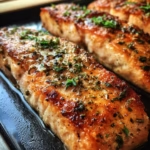
Ultimate Guide to Cooking Seafood: Avoid Disaster
- Total Time: 10-15 minutes
- Yield: 2 servings
- Diet: Low Carb
Description
Learn how to cook seafood perfectly every time. This guide provides tips and techniques to avoid overcooking.
Ingredients
- Fresh seafood of your choice
- Olive oil
- Lemon juice
- Salt
- Pepper
- Optional herbs and spices
Instructions
- Pat seafood dry with paper towels.
- Season with salt, pepper, and other desired spices.
- Heat olive oil in a pan over medium heat.
- Cook seafood until it reaches an internal temperature of 145°F (63°C).
- Serve immediately with lemon juice.
Notes
- Use a thermometer to check for doneness.
- Do not overcrowd the pan.
- Adjust cooking time based on seafood type and thickness.
- Prep Time: 5 minutes
- Cook Time: 5-10 minutes
- Category: Seafood
- Method: Pan-frying
- Cuisine: Mediterranean